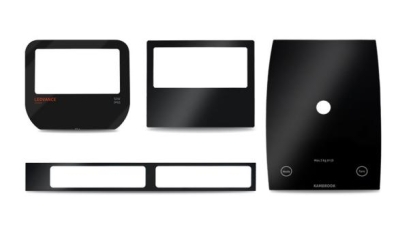
In today’s fast-changing world of commercial design and security, choosing the right materials can really make a difference—not just in how things look, but also in how well they work. Have you heard of One Way Glass? Sometimes called reflective or privacy glass, it’s pretty cool because it lets you see through from one side but keeps things private from the other.
Interestingly, the global market for this kind of glass is expected to grow more than 5% annually between 2021 and 2026, mainly because more homes, businesses, and even cars are using it. At Dongguan Fuxin Glass Tech, we’ve been working with advanced glass solutions for over ten years. We focus on all kinds, like AG glass, AR glass, AF glass, and AM glass, especially for displays.
Picking the right kind of One Way Glass for your needs isn’t just about looks — it can seriously boost customer experience and security, making it a smart investment for modern businesses who want to stay ahead of the game.
Understanding One Way Glass: Benefits for Your Business
Ever heard of one-way glass? Also called mirrored or privacy glass, it’s pretty awesome when you want to boost both style and function in your space. The best part? It keeps things private without blocking out natural light, which is a lifesaver for offices, conference rooms, or shops where you need to chat or show things off but still want to keep some stuff under wraps. With this glass, you get that open, airy vibe, plus the peace of mind that sensitive info stays confidential.
And here’s something cool — it can actually help you save energy, too. Since it reflects heat and sunlight, your place doesn’t have to work as hard to stay comfortable, so fewer lights and air conditioning are needed. That means less money spent on bills and a smaller environmental footprint. Investing in good quality one-way glass isn’t just about looks; it can seriously upgrade the feel of your space while being practical. All in all, it’s a pretty smart move for any business that wants to look good, stay private, and cut costs at the same time.
Key Features to Consider When Selecting One Way Glass
When you're choosing one way glass for your business, there are a few key features you definitely want to keep in mind to make sure it works well and does what you need. First off, think about how much visibility you actually want. Different types of one way glass offer varying levels of transparency, so you can pick one that lets in just the right amount of light and outside view, all while keeping things private where you need it. Whether you're after total privacy or just some partial visibility, it’s important to choose the right level.
Another thing to consider is the glass’s reflective ability. The magic of one way glass really depends on the lighting. During the daytime, the outside should reflect more light than the inside, so folks inside can see out clearly, but nobody outside can peek in. So, it’s a good idea to think about where you’re installing this glass—what the lighting conditions will be like—to get the best results.
And a quick tip: when you’re shopping for one way glass, don’t forget to check if it offers UV protection. A good quality piece not only helps keep your privacy tight but also shields your space from harmful UV rays—things like fading furniture or damaged interior items. Also, it’s worth chatting with pros about installation; if it’s not installed correctly, the whole point of the glass could be compromised.
Choosing the Right Thickness and Size for Your Needs
When you're choosing one-way glass for your business, things like thickness and size really matter—they can make a big difference in how well it works. Typically, industry folks go for glass that's anywhere from 3mm to 6mm thick, and each thickness tends to suit different needs. For example, the thinner stuff is usually good for decorative purposes or light use, while a thicker panel adds more security and helps with insulation. I remember reading in a report by the Glass Association that around 4mm seems to hit that sweet spot—offering decent visibility along with durability. That’s probably why it’s a favorite for places like retail stores and offices.
And don’t forget about the size! The size of your glass panels really influences both how they look and how they function. Larger panels can give your space a sleek, seamless feel and let in more natural light, which makes everything feel brighter and more inviting. Of course, it’s important to match the size to your specific space—think about installation limitations and what the environment needs. Picking the right dimensions not only boosts how well the glass performs but also ties into your overall design vibe. So, really, it’s a key part of making sure you get it just right.
Identifying the Best Suppliers of One Way Glass from China
When you're trying to find the best one-way glass for your business, it's really important to go with reputable suppliers—especially those who know the ins and outs of the Chinese market.
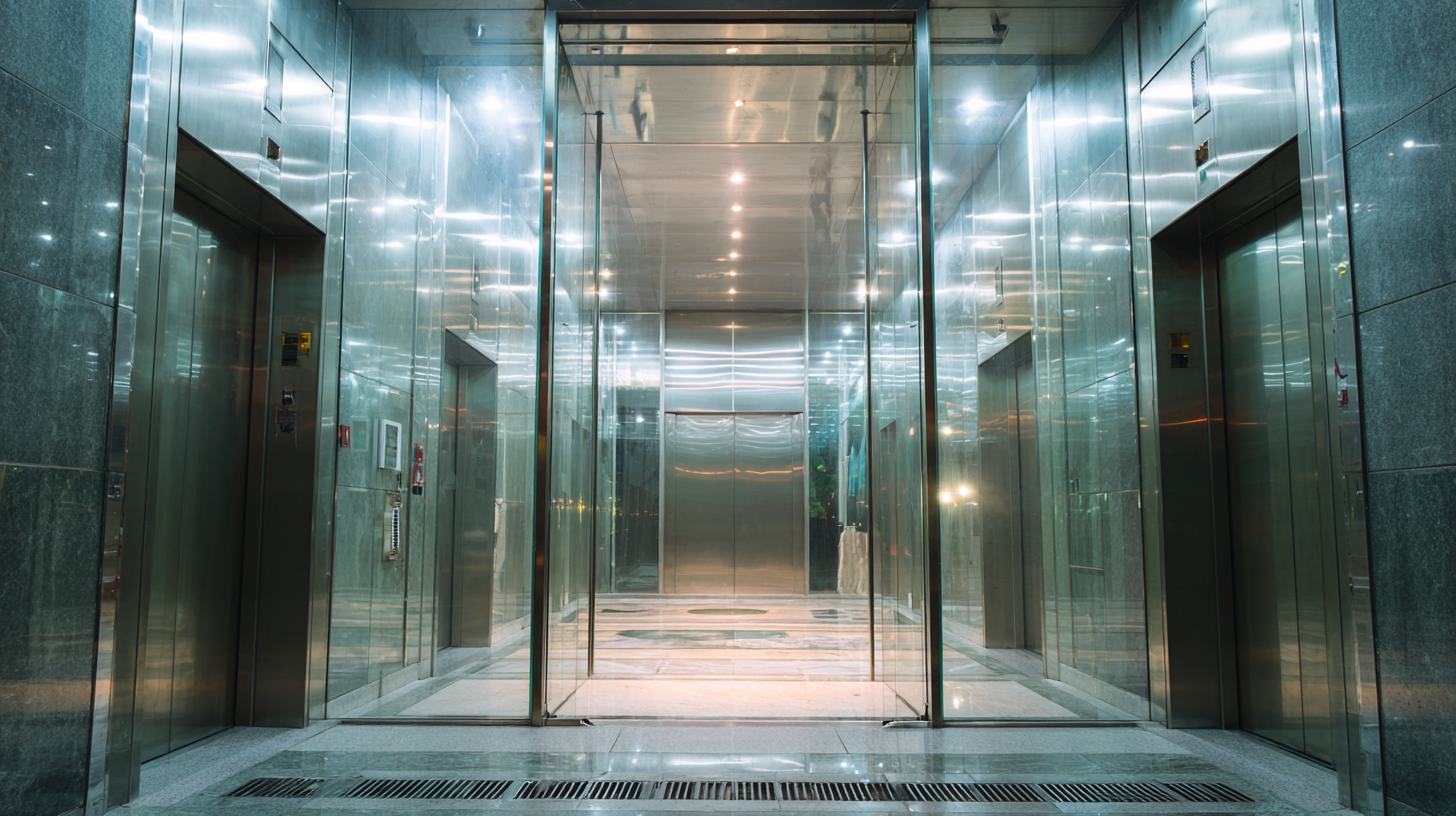 Dongguan Fuxin Glass Technology Co., Ltd. is a name that comes up quite a bit, thanks to their solid decade-plus of experience in various areas of professional glass. They’re pretty serious about R&D too, working on advanced display glass coatings like AG, AR, AF, and AM glass—making sure you get high-quality, innovative products.
By the way, a recent industry report says the global market for one-way glass is heading toward $3.2 billion by 2025. That's mainly thanks to its growing use in retail, security, and automotive industries. When you're choosing a supplier, I’d really recommend looking for one that offers custom solutions and good support—someone who understands that every business has different needs. Fuxin Glass, for instance, provides tailored products that fit specific requirements, which shows they get diverse market demands.
Pro tip: Always ask for samples before placing a big order. It’s the best way to check transparency and how clear the images are. And don’t forget to look into their production capabilities and quality certifications—making sure you’re partnering with a reliable supplier is key.
Installation Tips for Optimal Performance of One Way Glass
When you're installing one-way glass, getting it done right is really important if you want it to work well. First off, you gotta pick the right type of adhesive — a good quality glass adhesive makes a big difference because it gives you that solid hold and durability. Be sure to spread it evenly around the edges so you don’t end up with any air gaps, 'cause those can mess up how well the glass performs.
Another thing, make sure the surface you're sticking it to is nice and clean and dry. Dust, moisture, or any tiny debris can mess with how well the adhesive sticks, and that could make the glass look cloudy or reduce its effectiveness. Before you put everything in place, give both the window frame and the glass a good wipe down. Oh, and think about the angle you're installing it at—sometimes a slight tilt can make a difference, helping with visibility on one side and cutting down glare.
Lastly, pay attention to the environment around you, especially the lighting. One-way glass works best when there's a pretty noticeable difference in brightness between the two sides. So, if you can, position your lights so that one side stays well-lit while the other stays darker. That really helps improve the reflective qualities and keeps things private. Just a few tweaks, and you’re good to go!
Cost-Effective Solutions: Balancing Quality and Budget in One Way Glass
Deciding on the right one-way glass for your business isn’t just about finding the cheapest option—it’s a balance between quality and budget. I recently read a report from Research and Markets that says the global market for one-way glass is expected to grow about 7.5% every year. That just goes to show how more companies are loving the idea of boosting privacy without sacrificing style. When you’re comparing different products, it's super important to look at both how good the glass is and what it costs. Sometimes, going for a pricier option might seem like a splurge now, but it could save you money down the road because it’s more durable and offers better UV protection.
Tip: Don’t forget to think about the total cost of ownership—this includes installation, upkeep, and eventual replacements. Cheaper options upfront can sometimes turn into costly headaches later, especially if they wear out quickly or perform poorly.
Just because you’re watching your budget doesn’t mean you have to compromise on quality. For example, choosing tempered one-way glass can make your space safer and lower your liability risks. Plus, investing in high-quality glass can really boost your brand’s reputation and keep your customers happy—giving you a little competitive edge.
Tip: When shopping around, try to find suppliers who offer warranties or flexible return policies. That kind of assurance can save you a lot of stress and make it easier to choose the right solution for your specific business needs.
Transform Your Kitchen: The Benefits of Tempered Glass Panels for Modern Appliances
Transforming your kitchen can be as simple as incorporating tempered glass panels into your modern appliances. These versatile panels are not only aesthetically pleasing but also bring a multitude of benefits that elevate both style and functionality. Tempered glass, known for its high safety and strength, offers an elegant touch while ensuring durability in a bustling kitchen environment.
One of the standout features of tempered glass panels is their excellent thermal stability. This means they can withstand high temperatures without shattering, making them an ideal choice for ovens, cooktops, and other high-heat appliances. In addition, their strong impact resistance ensures that they can endure the daily wear and tear of kitchen life, from accidental bumps to spills, maintaining a pristine appearance over time.
Incorporating tempered glass panels into your kitchen not only enhances modern appliances but also promotes safety. The glass is less likely to break compared to ordinary glass, providing peace of mind, especially in homes with children or pets. With their sleek designs and functional benefits, tempered glass panels are undoubtedly a smart choice for anyone looking to upgrade their kitchen.
FAQS
: One way glass, also known as mirrored or privacy glass, allows for privacy while still letting natural light in. This is beneficial for offices, conference rooms, or retail spaces where confidentiality is important, as it helps protect sensitive information.
One way glass reflects heat and sunlight, which reduces reliance on artificial lighting and air conditioning. This leads to lower energy costs and contributes to creating a comfortable environment, aligning with sustainability efforts.
Common thicknesses for one way glass range from 3mm to 6mm. Thinner glass is suitable for decorative uses while thicker glass offers better security and insulation. A thickness of 4mm is often seen as optimal for balancing visibility and durability.
The size of the glass influences coverage and aesthetic appeal. Larger panels can improve natural light and create a seamless appearance, but the size must also consider installation constraints and the surrounding environment.
Yes, one way glass enhances the ambiance by allowing more natural light while maintaining privacy, creating an open and airy feel that can be appealing in both retail and office settings.
Key factors include the thickness and size of the glass, as these affect functionality, security, insulation, and aesthetic integration into the business’s design. Tailoring these specifications to the specific application is vital.